
Therapy Books for Kids & Teens: A Parent's Guide
Explore 29 books for children, teens, and parents, organized by age and topic: anxiety, anger, grief, divorce, ADHD, and the teen years. Start with the age range and concern that fit your family, then compare the descriptions. The list includes picture books to read together, workbooks, teen reads, and a separate parenting shelf.
How we chose these books
- Used in real sessions. Most of these titles live in our therapists' offices — the Spot books, Huebner's workbooks, and The Invisible String come off our own shelves weekly.
- Age-matched. A perfect book at the wrong age gets rejected. Every pick lists the range it actually works for, and the table below sorts it by age and concern.
- Written by clinicians and educators wherever possible — child psychologists, LCSWs, and school counselors, not influencers.
- Reviewed July 2026 by the Let'sTalk! Counseling clinical team, with new sections for divorce and teen anxiety.
On a budget? Nearly every title here is free at the Carrollton, Frisco, or Lewisville public library — or instantly through the Libby app with your library card.
A book is a start — not a substitute
Looking for support for your child? Compare children's therapy, play therapy, and teen therapy in Carrollton. You can review rates and insurance or ask our team about age fit and appointment options. The team can confirm which therapist and session format may fit your family.
Worry & anxiety books for little kids
Picture books work because young children think in images and stories, not abstractions. Our play therapists use books like these the way they use sand trays and puppets — the character does the feeling, so the child doesn't have to defend themselves while they learn. Read at bedtime, point at the pictures, and let your child notice the worry before you name it for them.
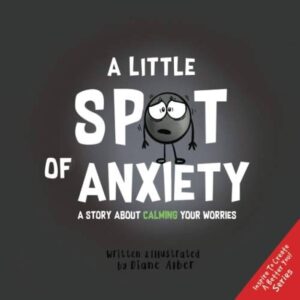
A Little SPOT of Anxiety
by Diane Alber
The Spot books give feelings a shape and size — literally — which is exactly how young kids need emotions presented. This one turns anxiety into a spot a child can shrink with slow breaths and brave thoughts. Short enough for bedtime, concrete enough that kids start saying “my spot got big today” — which is a feelings vocabulary win.
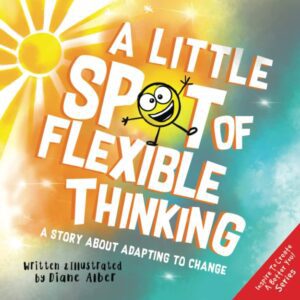
A Little SPOT of Flexible Thinking
by Diane Alber
For the kid who melts down when plans change or the sandwich is cut wrong. Teaches the difference between stuck thinking and flexible thinking with the same friendly visual language as the anxiety Spot. Pairs well with the frustration and anger Spots below for a full feelings toolkit.
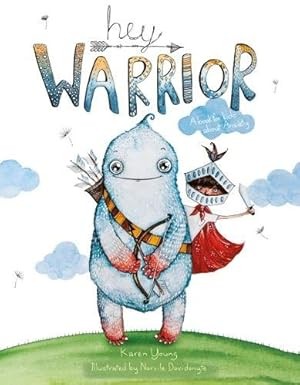
Hey Warrior
by Karen Young
Explains the amygdala to children better than most textbooks explain it to adults: your brain has a fierce little warrior trying to protect you, and sometimes it fires when there's no danger. Kids stop feeling broken and start feeling like their brain is on their side. A child-therapy staple worldwide.
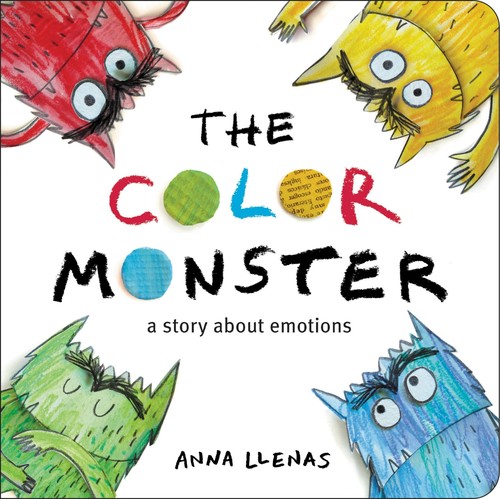
The Color Monster
by Anna Llenas
A gentle first feelings book: the monster's emotions are all tangled together until he sorts them by color. Perfect for toddlers and preschoolers who don't yet have words for mad-vs-sad. We often suggest it as the very first book on this list for the youngest kids.
Worry workbooks for big kids
Around age 8, kids can start doing real cognitive work — noticing thoughts, testing them, talking back to worry. These two are the workbooks our child therapists actually assign between sessions.
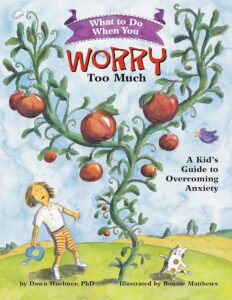
What to Do When You Worry Too Much
by Dawn Huebner, PhD
The gold-standard CBT workbook for childhood anxiety, used in therapy offices everywhere including ours. Kids learn to picture worry as a tomato plant they can stop watering, set a daily “worry time,” and boss back anxious thoughts. Do a chapter a week together — it's designed for a parent and child side by side.
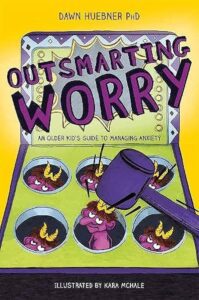
Outsmarting Worry
by Dawn Huebner, PhD
Huebner's follow-up for the tween who rolls their eyes at picture books. Same CBT skills, more grown-up voice, more science about how the brain's alarm system works. If your 11-year-old dismissed the younger books, start here instead.
Anxiety help teens will actually use
Teens don't want a book that feels like homework from their parents. Hand it over casually, or better, let their therapist assign it — the same book lands differently coming from a neutral adult. More teen picks are in the confidence section below.
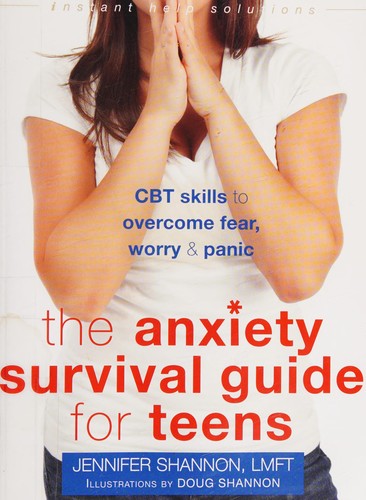
The Anxiety Survival Guide for Teens
by Jennifer Shannon, LMFT
CBT skills translated into a teen's actual life: test panic, social media spirals, the what-if loop at 1am. Written to the teen, not about them, with zero condescension. One of the books our teen therapists mention most — and it pairs naturally with counseling because it uses the same skills vocabulary.
Anger & big-feelings books
Anger in kids is almost always a second feeling — frustration, embarrassment, or worry wearing armor. These books help kids catch the volcano before it erupts, and help parents respond to the feeling under the fire.
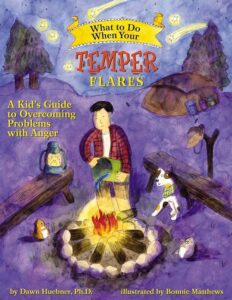
What to Do When Your Temper Flares
by Dawn Huebner, PhD
The anger installment of Huebner's workbook series: kids learn their personal “fire starters,” practice cooling techniques, and build a plan for the moments when the temper wins anyway. Like the worry book, it's built for parent-and-child to work through together.
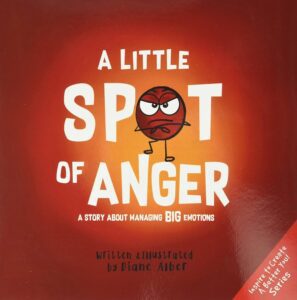
A Little SPOT of Anger
by Diane Alber
Anger as a spot that grows from a spark to a wildfire — and the concrete things that shrink it back down. Simple, visual, and short enough to read in the calm after a storm, which is exactly when the lesson sticks.
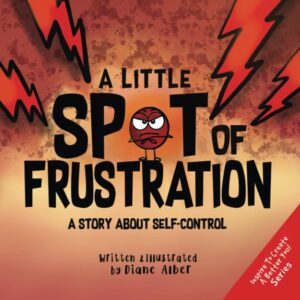
A Little SPOT of Frustration
by Diane Alber
For the child who goes from zero to tears when the tower falls or the zipper sticks. Normalizes frustration as a feeling everyone gets and gives kids a small set of moves — breathe, break it down, ask for help — they can actually remember mid-meltdown.
Grief books for children
Children grieve in bursts — sad for ten minutes, then back to playing — which confuses adults who expect grief to look like theirs. A good book gives the family shared language for a loss that's hard to talk about at any age. If your child's grief involves a death, our children's therapists can help you decide what they're ready to hear.
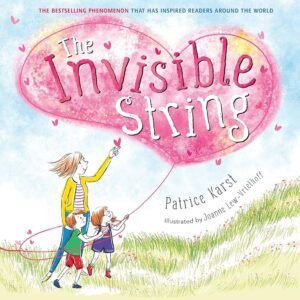
The Invisible String
by Patrice Karst
The book therapists everywhere reach for first: everyone you love is connected to you by an invisible string that distance, anger, and even death can't break. Works for deployment, divorce, moving away, and loss alike. Keep tissues nearby — for you, not them.
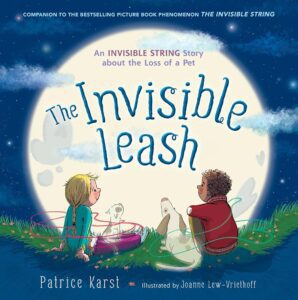
The Invisible Leash
by Patrice Karst
The Invisible String idea applied to the loss that is many children's first: a pet. Validates that pet grief is real grief — something adults accidentally minimize — while keeping the comfort of connection at the center.
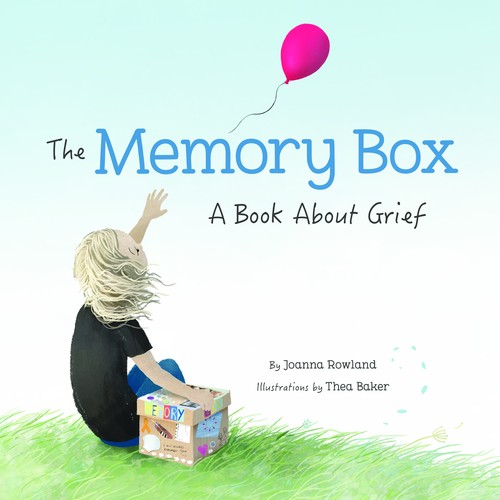
The Memory Box: A Book About Grief
by Joanna Rowland
A child fills a box with memories so they'll never forget the person they lost. Gently models a real grief practice — memory boxes are something our therapists actually build with grieving kids in session — and gives families a project to do together when words run out.
Books about divorce for kids
Kids absorb two questions during a divorce: Was it my fault? and Who takes care of me now? Every book here answers both, at different ages. Read them yourself first — and read them even if the divorce was years ago; kids re-process it at each new developmental stage.
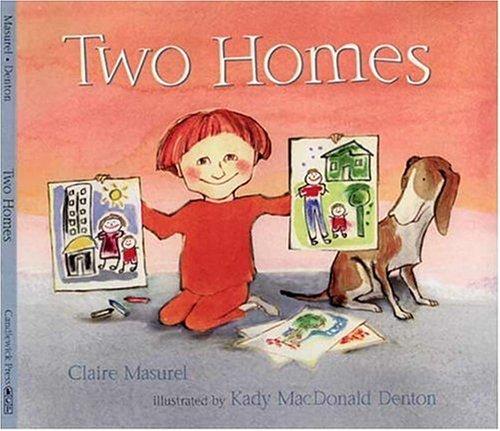
Two Homes
by Claire Masurel
No blame, no backstory — just Alex, who has two front doors, two bedrooms, and two parents who love him wherever he is. The calm, matter-of-fact tone is the point: it models exactly the emotional temperature young kids need from adults during a split.
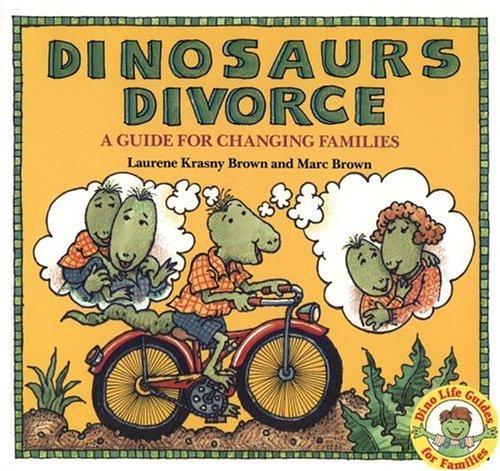
Dinosaurs Divorce
by Laurene Krasny Brown & Marc Brown
A comic-style guide that's been helping families for almost forty years — because it covers what other books skip: custody words, holidays, parents dating again, stepfamilies. Kids return to different panels as different questions surface. From the creator of Arthur.
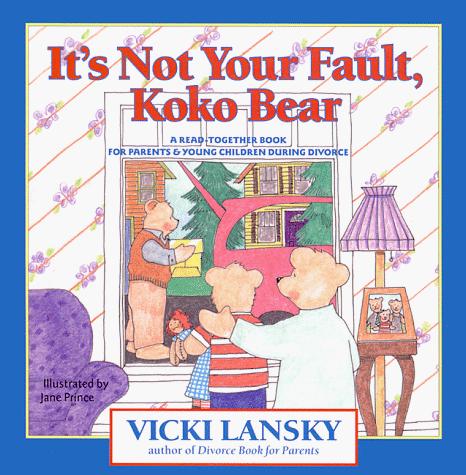
It's Not Your Fault, KoKo Bear
by Vicki Lansky
KoKo hears the news, feels mad and sad and worried, and learns the sentence every child of divorce needs on repeat: it's not your fault, and you'll always be taken care of. Includes sidebar tips for parents on every page — useful when you don't know what to say either.
ADHD & twice-exceptional kids
The right book helps an ADHD kid stop hearing “what's wrong with you” and start understanding how their engine works. These two cover both sides: a workbook for the child, and a deeper guide for parents of gifted kids whose ADHD or learning differences hide their strengths.
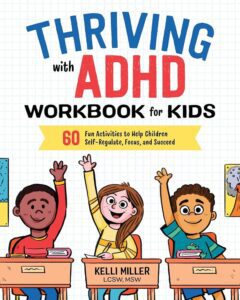
Thriving with ADHD: Workbook for Kids
by Kelli Miller, LCSW
Sixty short activities that teach focus, impulse control, and emotional regulation — framed around strengths, not deficits. Works best a few pages at a time, ideally alongside a counselor or coach so the skills get practiced, not just read.
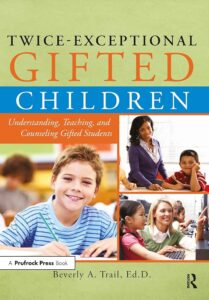
Twice-Exceptional Gifted Children
by Beverly A. Trail, EdD
For the family whose child is somehow both the smartest and the most struggling kid in class. Explains how giftedness masks disability (and vice versa), and how to advocate at school for a child who confuses every system built to measure them.
Teen confidence & self-esteem
Teen self-worth takes a beating from comparison culture that no earlier generation faced. These are the three our teen therapists suggest most — best offered casually (“this reminded me of you”), never assigned.
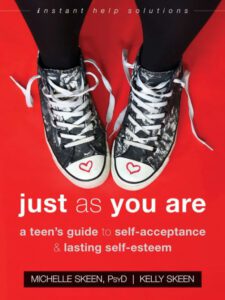
Just As You Are
by Michelle & Kennedy Skeen
A mother-daughter author team tackles the exhausting job of performing a perfect self for peers and social media. Teaches teens to drop the mask, quiet self-criticism, and build worth from the inside. Short chapters that don't feel like therapy homework.
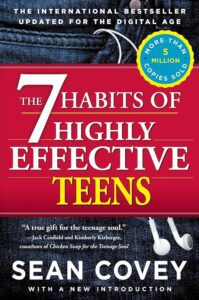
The 7 Habits of Highly Effective Teens
by Sean Covey
The rare self-improvement book teens quote back at you. Covey translates the classic habits into school, friendship, and family life with cartoons and real teen stories. Especially good for the capable-but-drifting teen who needs a framework, not a lecture.
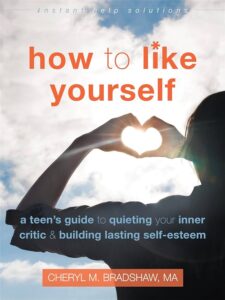
How to Like Yourself
by Cheryl M. Bradshaw, MA
A warm, practical guide to the meanest voice in a teenager's life: their own. Bradshaw, a school counselor, teaches teens to separate who they are from what the critic says. We often suggest it alongside counseling for teens whose anxiety wears a perfectionism costume.
The parenting shelf: books for raising resilient kids
The fastest way to change a child's behavior is usually to change what the adults in the room understand. These are the parenting books our child and teen therapists recommend to the families we see — from toddler meltdowns to launching young adults. They pair naturally with parenting support & coaching.
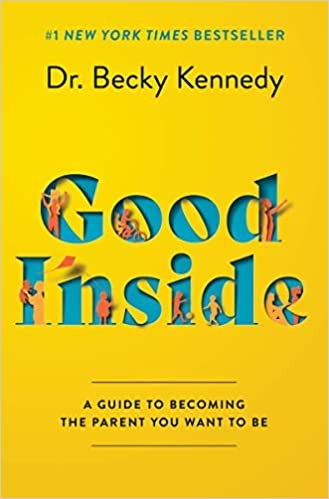
Good Inside
by Dr. Becky Kennedy
The parenting book of the decade so far. Dr. Becky's premise — kids (and parents) are good inside, and behavior is a signal, not the self — turns discipline from punishment into skill-building. Concrete scripts for hitting, lying, screens, and meltdowns. If you buy one book on this shelf, buy this one.
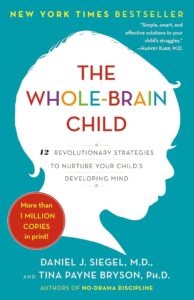
The Whole-Brain Child
by Daniel J. Siegel, MD & Tina Payne Bryson, PhD
Twelve strategies built on how kids' brains actually develop — name it to tame it, connect then redirect. The book that finally explains why logic doesn't work mid-tantrum and what does. Foundational to how our therapists talk with parents about big feelings.
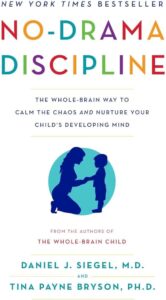
No-Drama Discipline
by Daniel J. Siegel, MD & Tina Payne Bryson, PhD
The follow-up to Whole-Brain Child, focused entirely on discipline: how to set firm limits while keeping the relationship — and your composure — intact. Turns consequences from payback into teaching. Best read after Whole-Brain Child, but stands alone fine.
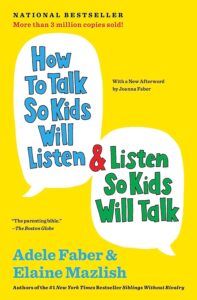
How to Talk So Kids Will Listen & Listen So Kids Will Talk
by Adele Faber & Elaine Mazlish
Forty years old and still the communication book we recommend most. Cartoon-illustrated scripts for acknowledging feelings, engaging cooperation, and praising without inflating. Parents report using a technique the same day they read it — that's the bar this book set.

The Anxious Generation
by Jonathan Haidt
Haidt's data-driven case that the phone-based childhood is driving the teen mental-health decline — and his four concrete norms for pushing back (no smartphone before high school, no social media before 16, phone-free schools, more independence). Read it with other parents; the norms only work as a group.
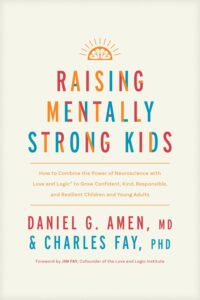
Raising Mentally Strong Kids
by Daniel G. Amen, MD & Charles Fay, PhD
Brain science meets Love-and-Logic parenting: neurological reasons behind kids' behavior plus a firm-and-kind playbook for boundaries, chores, screens, and consequences. A good fit for parents who want more structure than the gentle-parenting shelf offers.
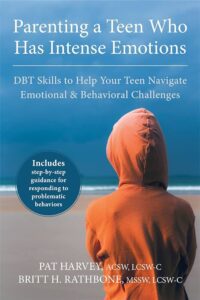
Parenting a Teen Who Has Intense Emotions
by Pat Harvey, LCSW-C & Britt H. Rathbone, MSSW
DBT-based skills for parents of teens whose emotions go from zero to one hundred — rage, self-harm risk, door-slamming despair. Teaches validation that isn't surrender and limits that don't detonate the relationship. Often recommended alongside teen therapy so home and session reinforce each other.
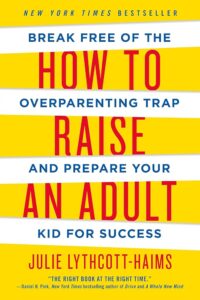
How to Raise an Adult
by Julie Lythcott-Haims
The former Stanford dean's case against overparenting: how checklisted childhoods produce anxious young adults, and how to hand responsibility back at every age. Especially clarifying for parents of high-achieving, high-pressure teens — a DFW specialty.
The right book by age and concern
Every family's shortcut: find your child's age, find the concern, start with that book. Titles link to the full write-up above.
Don't assign it
A therapy book handed over with a speech becomes homework. Leave it on the shelf, read it at bedtime like any other book, or say “a counselor told me about this one.” Curiosity beats compliance.
Read it first yourself
Two minutes of skimming tells you if the book fits your kid and preps you for the questions it will raise — especially with grief and divorce titles, where your steadiness is half the medicine.
Let the character do the talking
Ask about the character, not your child: “What do you think helped the little Spot?” Kids reveal themselves safely through someone else's story — it's the same principle our play therapists use every day.
Questions parents & clients ask us about these books
My child refuses to read “feelings books.” Now what?
Stop offering them — pressure confirms the suspicion that something is wrong with them. Read one yourself where they can see, leave it around, or fold the ideas into conversation without the book. If a child consistently can't go near feelings content, that avoidance is information: it's often the point where play therapy helps, because play lets kids process what talk (and books) can't reach.
What ages are these books for?
Roughly: picture books (the Spots, Invisible String, Two Homes, Color Monster) for ages 3-7; Huebner's workbooks for 6-13; the teen titles for 13+; and the parenting shelf for you. Every card above lists a range, and the age-and-concern table gives you the shortcut. When in doubt, go younger — a too-easy book still comforts; a too-old one gets rejected.
How do I talk to my kids about our divorce?
Together with your co-parent if at all possible, in plain words, with the two guarantees kids need: this is not your fault, and you will always be taken care of. Then expect the questions to arrive in waves for months — the books in the divorce section are built for exactly those bedtime re-openings. If behavior changes stick around — sleep, school, regression, anger — a few sessions of children's counseling gives them a neutral place to sort it out.
When is a book not enough for a child?
When the struggle is changing how they function: school refusal, sleep falling apart, friendships shrinking, aggression at home, any talk of self-harm, or a worry/sadness that's lasted more than a few weeks despite your support. Books build vocabulary; therapy builds change. Our child and teen therapists will tell you honestly in the first session whether counseling is warranted — sometimes the answer really is “keep doing the bedtime book, they're okay.”
More reading lists from our therapists
When your child needs more than a story
Contact our Carrollton team about child, teen, or play therapy. Ask which therapist works with your child's age group, what session formats are offered, and what openings, fees, or insurance arrangements are available.
Let'sTalk! Counseling · 4125 Fairway Dr Suite 130, Carrollton, TX 75010 · (972) 885-1222
Serving Carrollton, Coppell, Lewisville, Flower Mound, The Colony & the DFW metro — in person and online.
Want our reading lists showing up first on Google? Add us as a preferred source