
Marriage & Couples Counseling Books Our Therapists Recommend
Explore 15 books on communication, connection, intimacy, rebuilding after an affair, and preparing for marriage. Start with the section closest to what brings you here, then compare each book's “Best for” label and description. For guided conversations, look at Eight Dates; for a broader collection of exercises, start with The Seven Principles for Making Marriage Work.
How we chose these books
- Our clinicians use them. Every title is one our couples therapists know well and have recommended to real clients — not scraped from other lists.
- Research-based first. The core picks come from researchers (Gottman, Glass, Nagoski) whose advice is built on data from thousands of couples.
- Matched to a situation. A couple in affair recovery needs a different book than an engaged couple. Every pick says who it's for.
- Reviewed July 2026 by the Let'sTalk! Counseling clinical team, including our newest recommendations from 2024–2026 releases.
On a budget? Nearly every title here is free at the Carrollton, Frisco, or Lewisville public library — or instantly through the Libby app with your library card.
A book is a start — not a substitute
Looking for support beyond the reading list? Explore couples therapy in Carrollton or family and relationship therapy. You can review rates and insurance and ask about appointment options before deciding on a next step.
Start here: the books we hand to couples first
Ask a couples therapist for one book and you'll almost always hear a Gottman title. John and Julie Gottman spent four decades watching real couples in their research lab, so their advice is built on what predicts lasting relationships — not opinion. These four are the backbone of the Gottman-informed work we do in couples therapy.
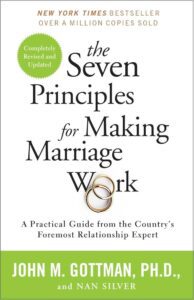
The Seven Principles for Making Marriage Work
by John Gottman & Nan Silver
The classic for a reason. Gottman distills his research into seven habits — love maps, turning toward each other, accepting influence, breaking gridlock — with quizzes and exercises you can do on the couch. If a couple does the exercises instead of just reading, this book changes conversations fast. Pair it with the companion workbook if you both like structure.
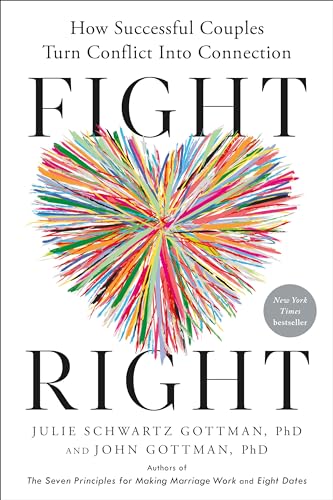
Fight Right
by John & Julie Gottman
The Gottmans' newest book is entirely about conflict — why the same fight keeps coming back and how to have it differently. It reframes arguing as a doorway to understanding rather than a failure, and walks through the five common fight patterns. We recommend it constantly to couples who say “we love each other, we just can't stop fighting.”
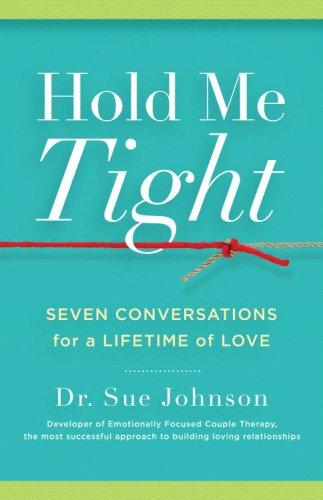
Hold Me Tight
by Dr. Sue Johnson
An attachment-based classic organized around seven structured conversations that help partners say the vulnerable thing under the angry thing. Couples who feel more like roommates than partners often tell us this is the book that finally put words to what was missing. Read one conversation chapter at a time — together.
Us: Getting Past You & Me to Build a More Loving Relationship
by Terrence Real
Real's core idea — you can be right or you can be married — lands hard with couples locked in scorekeeping. He shows how to move from two individuals defending positions to one team solving a problem, with blunt, sometimes funny writing that men in particular tend to stick with. A strong follow-up if The New Rules of Marriage resonated.
Understanding yourself — and the person you married
Most repeating relationship problems are two nervous systems misreading each other. These books give couples a shared language for attachment styles, love languages, and bids for connection — the vocabulary we build in session, available for $15.
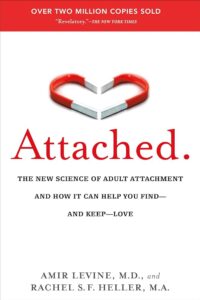
Attached
by Amir Levine & Rachel Heller
The book that made attachment theory usable. Identify whether you lean secure, anxious, or avoidant, then watch your last five arguments suddenly make sense. Especially useful early in a relationship or after a pattern of choosing unavailable partners. Clients regularly call this one a lightbulb.
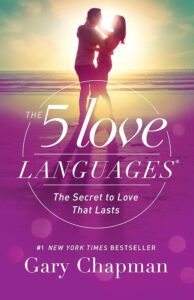
The 5 Love Languages
by Gary Chapman
Simple premise, forty years of staying power: people give and receive love differently — words, acts, gifts, time, touch — and most of us speak our own language instead of our partner's. Take the quiz together and compare. Not deep clinical work, but as a fast, low-stakes reset it earns its spot.
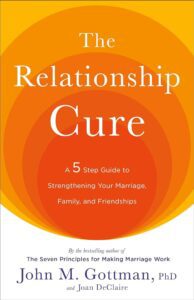
The Relationship Cure
by John Gottman
Gottman's research on “bids” — the tiny reaches for attention we make dozens of times a day — and how turning toward or away from them quietly decides a relationship's future. Useful beyond marriage too: the same framework applies to kids, friends, and coworkers.
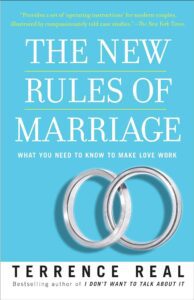
The New Rules of Marriage
by Terrence Real
Real challenges the polite fictions couples maintain and teaches full-respect living: how to ask for what you actually want without contempt, and how to hear a complaint without collapsing or counterattacking. Direct, practical, and unsparing in the best way.
Rebuilding intimacy and desire
Desire problems are the most common issue couples wait longest to bring up — usually years too long. These two books make the conversation startable at home.
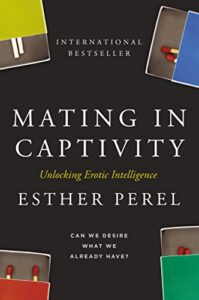
Mating in Captivity
by Esther Perel
Perel's exploration of why security and desire pull in opposite directions — and how committed couples can keep mystery and play alive without blowing up the stability they've built. Beautifully written; works well read aloud a chapter at a time.
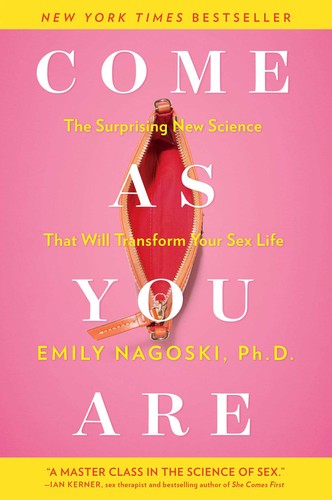
Come As You Are
by Emily Nagoski, PhD
The science of how desire actually works — accelerators, brakes, and why context matters more than chemistry. Especially validating for women who've been told something is wrong with them. Therapists recommend this one more than any other book on sexuality, and for good reason.
Rebuilding after an affair
These three books approach infidelity from different angles: rebuilding trust, understanding what happened, and navigating the first weeks after discovery. Compare their descriptions below, or read about intensive couples therapy if you are looking for personal support.
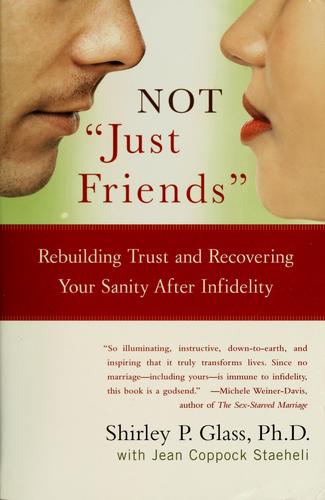
Not “Just Friends”
by Shirley Glass, PhD
Glass spent her career researching betrayal, and this remains the book couples therapists trust most on affair recovery: walls and windows, how affairs actually start (usually not about a bad marriage), and a staged path to rebuilding safety. Dense but worth it — both partners should read it.
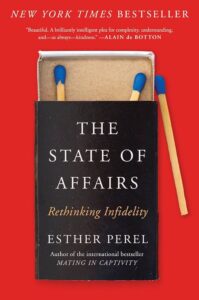
The State of Affairs
by Esther Perel
Perel examines infidelity without excusing it — what affairs mean, why happy people cheat, and what a couple can learn from the wreckage. Less of a repair manual than Glass, more a way to make sense of something that feels senseless. Many betrayed partners find the “why” here that their partner can't articulate.
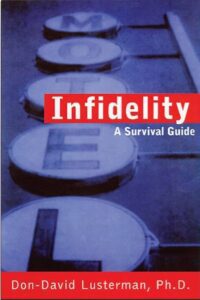
Infidelity: A Survival Guide
by Don-David Lusterman, PhD
A compact, compassionate field guide for the acute phase: managing obsessive thoughts, deciding who to tell, handling the discovery conversation with kids. When someone calls us the week they found out, this is the book we mention.
Engaged & newlywed: premarital reads
Couples who talk through money, family, faith, and expectations before the wedding fight less after it. If you're engaged, work through one of these together — and consider a short round of premarital counseling to pressure-test the big topics with a neutral third party in the room.
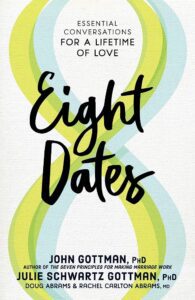
Eight Dates
by John & Julie Gottman
Eight guided conversations — trust, money, sex, family, dreams — each structured as an actual date. The best premarital book we know because it doesn't lecture; it gets you talking. Also excellent for long-married couples whose conversations have shrunk to logistics.
Things I Wish I'd Known Before We Got Married
by Gary Chapman
Short, honest chapters on the stuff wedding planning crowds out: in-laws, apologies, money styles, the myth that love is enough. An easy read you can finish in a weekend and argue about (productively) for a month.
Prefer a workbook?
If you'd rather write than read, The Seven Principles for Making Marriage Work has a companion workbook with the same exercises we adapt in session, and the free Gottman Card Decks app puts 1,000+ conversation prompts on your phone. Search “Gottman Card Decks” in your app store.
How couples actually read these books (without one of you giving up)
1. One book, both partners
Two copies or take turns — but the same book. Half the value is the conversation it starts. Highlight what feels true about you, not what proves your point about them.
2. Fifteen minutes, twice a week
A chapter a night is a setup for quitting. Agree on two short sit-downs a week to compare notes. A book like Eight Dates makes this automatic — the chapters are the dates.
3. Do the exercises out loud
Reading about love maps doesn't build one. If a book has quizzes or scripted conversations, do them verbatim at least once — awkward is fine, awkward is working.
Questions parents & clients ask us about these books
Can a book replace marriage counseling?
Sometimes, honestly, yes — if problems are young and both partners engage, a Gottman book plus real effort moves the needle. But books can't referee in real time, spot the pattern you're both blind to, or hold you accountable week to week. If you've read two of these and the same fight is still winning, that's the signal to book a couples session.
Which book should we read before couples therapy?
Whichever one matches the pain point — Fight Right for conflict, Hold Me Tight for distance, Not “Just Friends” after betrayal. If you're unsure, Seven Principles is never wrong. Starting a book before your first session is a genuine head start; tell your therapist what resonated.
Do you follow these books in your couples work?
Our couples work is Gottman-informed and CBT-based, so Seven Principles, Fight Right, and Eight Dates line up directly with what happens in our sessions. Other titles here (Perel, Real, Nagoski, attachment work) are books our clinicians know well and recommend when they fit a couple's situation.
We're in crisis right now — is a book enough?
No. If there's been an affair discovery, talk of divorce, or you can't be in the same room without exploding, set the reading list aside and ask about support options — that's what couples intensives are for. Books are for building; crisis needs a person.
More reading lists from our therapists
When the book isn't enough, we're here
Ask our Carrollton team about couples or family therapy. Tell us what kind of support you are looking for, then confirm current openings, session options, and the fee or insurance arrangements for your therapist.
Let'sTalk! Counseling · 4125 Fairway Dr Suite 130, Carrollton, TX 75010 · (972) 885-1222
Serving Carrollton, Coppell, Lewisville, Flower Mound, The Colony & the DFW metro — in person and online.
Want our reading lists showing up first on Google? Add us as a preferred source