
Comfort and Strength
What Does a Mental Health Break Really Look Like?
We all know we need a break sometimes. But when it comes to mental health, many people feel unsure about what a true break really looks like. Is it a vacation? A day off from work? Turning off your phone? Saying no for once? Sometimes, even when you do take a break, you still feel exhausted or emotionally stuck afterward. That’s because not all breaks are created equal especially when it comes to your mental health.
A real mental health break isn’t just about stopping. It’s about slowing down in a way that helps you come back to yourself. It’s about creating space to feel, to breathe, and to care for the parts of you that are tired, overwhelmed, or hurting. In this post, we’ll unpack what a mental health break really is, what it isn’t, and how you can build moments of rest and healing into your daily life.

The Problem With How We Usually “Take a Break”
Most of us are used to pushing through. We wait for the weekend, the next holiday, or the rare vacation to give ourselves permission to pause. But by then, we’re often running on fumes. When we finally do take a break, we might:
- Zone out on our phones for hours
- Sleep all weekend but still wake up tired
- Say yes to events that drain us even more
- Take time off work but still check our email constantly
These aren’t bad things. They’re common. But they’re not always restorative. They don’t always give your nervous system a chance to reset or your emotions a chance to breathe. What you need might not be time off. What you need might be time in time to connect with what’s really going on inside.
What a Real Mental Health Break Can Look Like
There’s no one-size-fits-all answer. A real break will look different for every person, depending on what you’re carrying and what helps you recharge. Here are a few examples of what a true mental health break can include:
- Creating quiet space
This could be turning off notifications, stepping away from screens, or just sitting in silence for a few minutes. Quiet lets your thoughts settle and your body soften. It can be uncomfortable at first but it’s often where clarity begins. - Saying no without guilt
You don’t have to explain or justify your limits. Protecting your time and energy is enough. A mental break might mean not attending every gathering or stepping away from social expectations that don’t serve you. - Rest that is restful
This might be sleeping in, taking a nap, or doing absolutely nothing for an hour. But it can also mean active rest like taking a walk, stretching, or doing something slow and repetitive that soothes your mind. - Processing your emotions
Sometimes rest doesn’t come from escaping it comes from naming what’s true. Journaling, talking with a therapist, crying, or just saying out loud, “I feel overwhelmed,” can be forms of release that free up mental space. - Doing one thing that brings you back to yourself
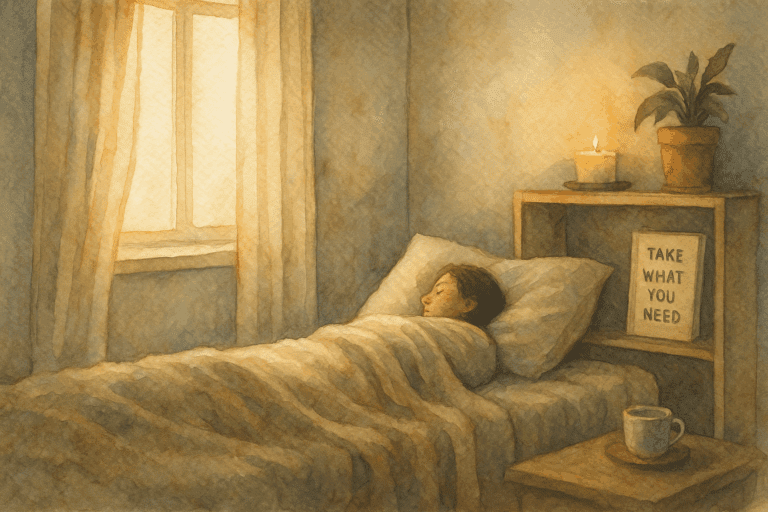
This could be something creative, spiritual, or sensory. Watering your plants, cooking a meal you love, reading in bed, lighting a candle, or listening to music with your eyes closed, these are not small things. They are ways of remembering who you are.

What a Mental Health Break Is Not
To better understand what a break really is, it helps you to know what it isn’t.
It’s not ignoring your problems: Avoiding what you’re feeling might give short-term relief, but it won’t create healing. A real break helps you face things more clearly and kindly.
It’s not productivity in disguise: You don’t have to turn your break into a checklist. You don’t need to do yoga, drink green juice, and clean your house unless those things actually help you feel grounded. This is about being, not doing.
It’s not selfish: You don’t have to earn your rest by burning out first. Taking care of your mind and heart is a basic human need not a luxury.
How to Build Mental Health Breaks Into Everyday Life
You don’t need a whole weekend or vacation to start caring for your mental health. In fact, waiting for the “perfect time” often keeps us from taking the smaller, consistent steps that really make a difference. Try starting with one of these ideas:
- A five-minute breathing break before you check your phone in the morning
- A screen-free walk around your block after work
- A gentle “no” to something that drains you this week
- A weekly check-in with yourself: What does I need more of? What do I need less of?
- A therapy session to talk through what’s been weighing on you
The goal isn’t to escape your life. The goal is to create a life you don’t feel like you constantly need to recover from.
You Deserve a Break That Heals, Not Just Distracts
If you’re tired, you’re allowed to rest. If you’re overwhelmed, you’re allowed to pause. And if you’re struggling, you’re allowed to ask for help. Let’sTalk! Counseling, we believe that real healing begins with real care that listens, supports, and meets you where you are. We help individuals, parents, teens, and couples find ways to reconnect with themselves and rebuild balance from the inside out.
If you’re ready to take a break that truly restores not just distracts you don’t have to do it alone. Schedule a session with Let’sTalk! Counseling today. You deserve space to breathe, to feel, and to heal. Let’s take that first step together to protect your peace.
Reach Out for Support, Guidance, and Healing
Don’t hesitate to connect with Let’s Talk Counseling. Whether you’re ready to schedule a session, have questions about our services, or simply want to explore how we can assist you on your journey to well-being, we’re here for you. Our dedicated team is eager to listen, support, and provide the guidance you need. Contact us today to take the first step towards a healthier and more fulfilling life.